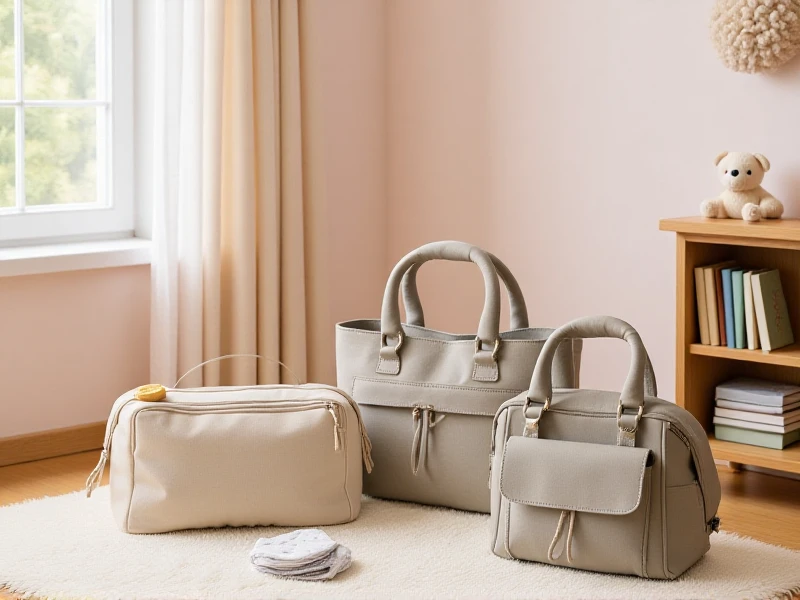
The Ultimate Guide to Choosing Your Perfect Backpack
Here is an SEO-optimized article about backpacks in English, based on your requirements:
Selecting the right backpack can feel overwhelming with the incredible variety available. Yet, finding the perfect match for your lifestyle – whether it's for daily commuting, adventurous travel, demanding school work, or rugged hiking – significantly impacts comfort, organization, and overall enjoyment. Understanding your key needs is the essential first step.
Identify Your Primary Use: The best backpack starts with its purpose. For daily commutes or school, prioritize organizational features like dedicated laptop compartments (check size compatibility!), multiple pockets for books/stationeries, water bottle holders, and easy-access areas. Hikers need durable, weather-resistant backpacks with supportive hip belts, gear loops, and maybe hydration bladders. Frequent travelers often lean towards convertible styles that fit airline carry-on dimensions and offer security features.
Material and Construction Matter: Durability and weather protection hinge on material. Robust nylon or polyester like Cordura® offers excellent resistance against abrasion and tears. Look for reinforced stitching at stress points (shoulder strap attachments, bottom seams). For wet climates, water-resistant coatings or fabrics like Dyneema® are crucial, sometimes needing separate rain covers. Quality zippers (YKK is a reliable brand) and buckle hardware are non-negotiable for lasting performance.
Fit is Paramount (Especially for Loads): Comfort over extended wear or under load is critical. Adjustable, padded shoulder straps are a baseline. For heavier loads – like textbooks or camping gear – a padded hip belt is vital; it transfers weight efficiently from your shoulders to your stronger hips, preventing strain and fatigue. Ensure the back panel is well-padded and offers some structure for support. Always test the fit if possible, adjusting the straps until the backpack sits centered without sagging or pulling uncomfortably.
Features for Functionality: Beyond size, consider how it organizes your gear:
- Pockets & Compartments: Do you need quick-access pockets? A separate padded tech section? A specific tripod holder? Open-top vs. zippered closures?
- Access Points: Top-loaders are common but require unpacking. Panel-loading (front or side) offers easier access to main compartments. Clamshell designs are great for travelers.
- Hydration: Essential for outdoor activities – look for a dedicated sleeve and tube port.
- Sustainability: Eco-conscious brands increasingly offer backpacks made from recycled materials (PET bottles, ocean plastics).
Care for Longevity: Extend your backpack's life. Brush off dirt and vacuum crumbs from inside. Spot clean with mild soap and lukewarm water for grubby patches and dry thoroughly out of direct sun. Avoid tossing it unnecessarily in the washing machine unless the care label specifies it's safe. Regularly empty it to prevent unnecessary stress on seams and fabric.
Ultimately, the ideal backpack seamlessly fits your body, carries your essentials comfortably and efficiently, and withstands the demands you place on it, whether navigating campus hallways or mountain trails. Invest time in assessing your unique requirements – it's an investment in effortless carrying for years of travel, work, school, or adventure.